About Sunrise
Who We Are
Who We Are
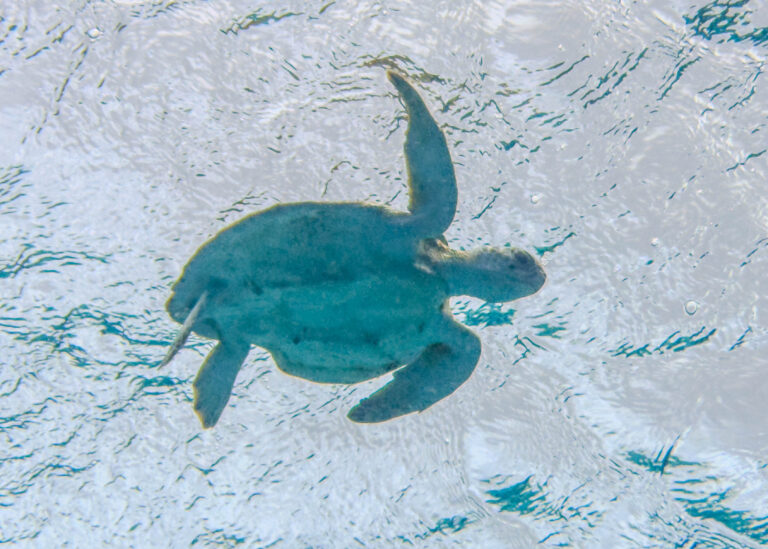
Sunrise Sea Turtles Conservancy is a fictional, student-led initiative dedicated to the protection and understanding of sea turtles and their habitats.
Created as a design-driven project, it blends environmental storytelling with digital experience to highlight the beauty and vulnerability of marine life.
Protecting Life at First Light
At Sunrise Sea Turtles Conservancy, we believe that every new day is a chance to protect and preserve one of the ocean’s most iconic species. From the moment hatchlings emerge and make their journey to the sea, their survival depends on awareness, education, and action.
Our History
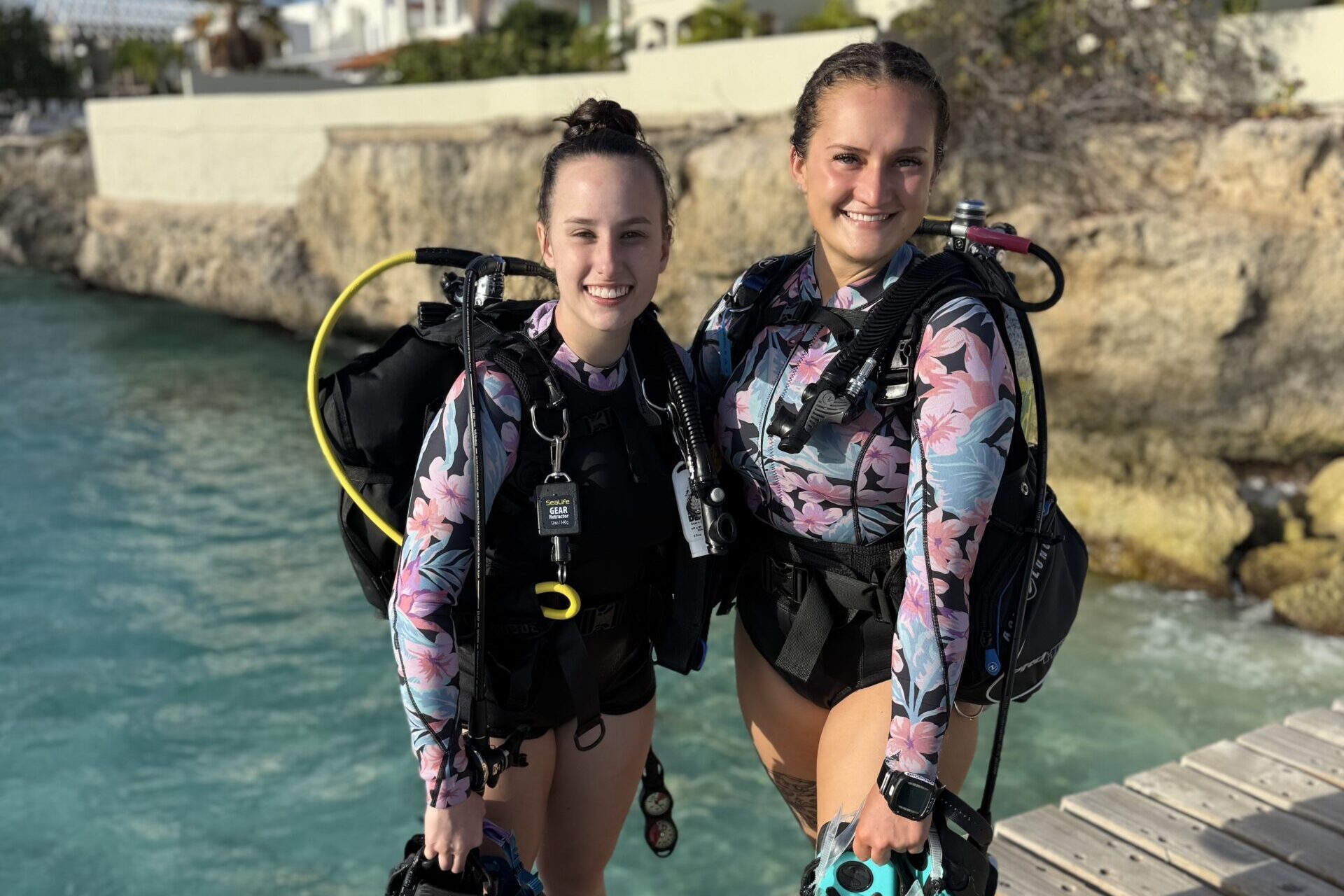
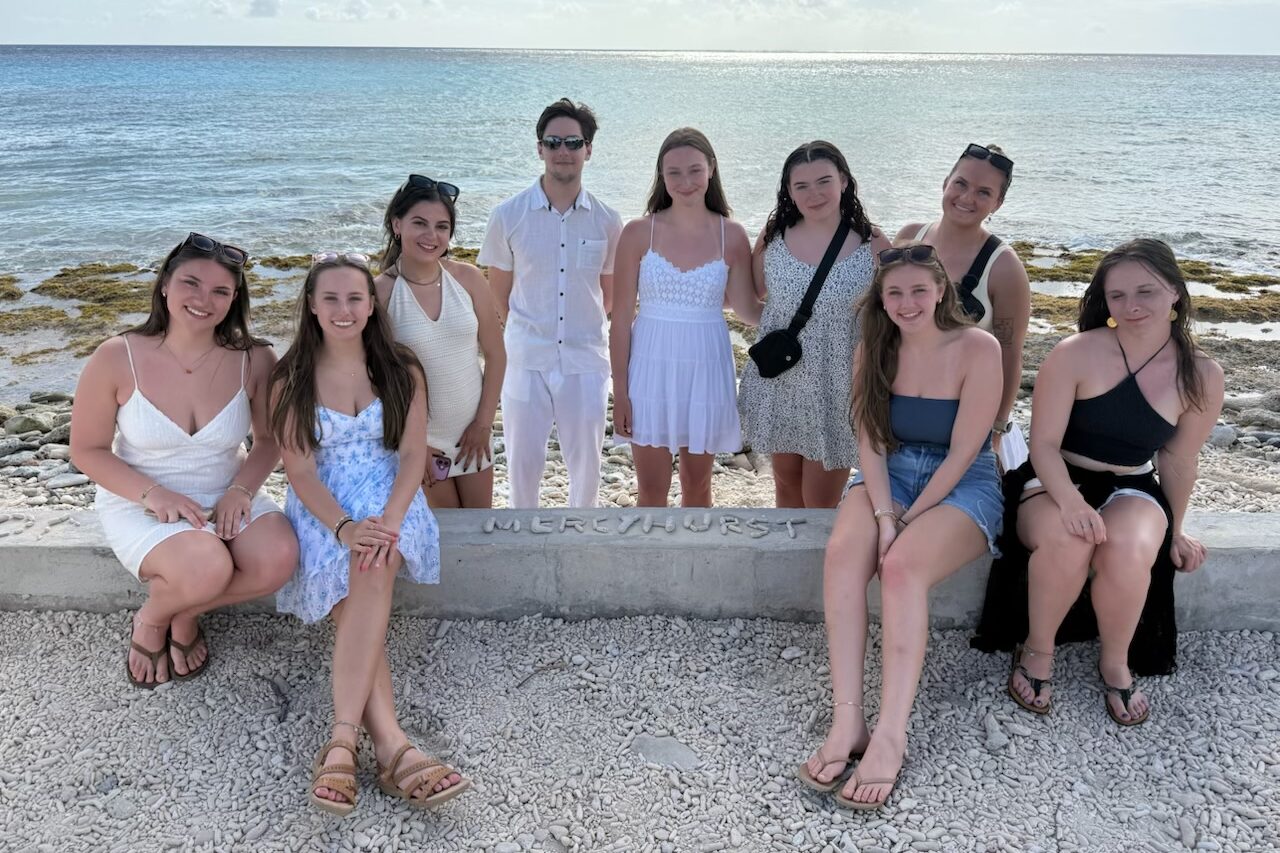
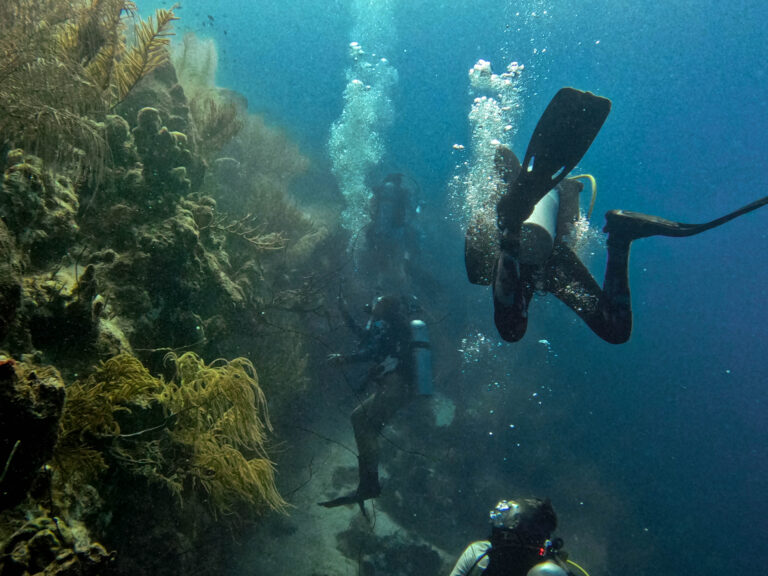
Sunrise Seaturtles Conservancy was started by a group of student divers after they encountered a sea turtle struggling with marine debris during a dive. The experience opened their eyes to the impact of pollution on local marine life.
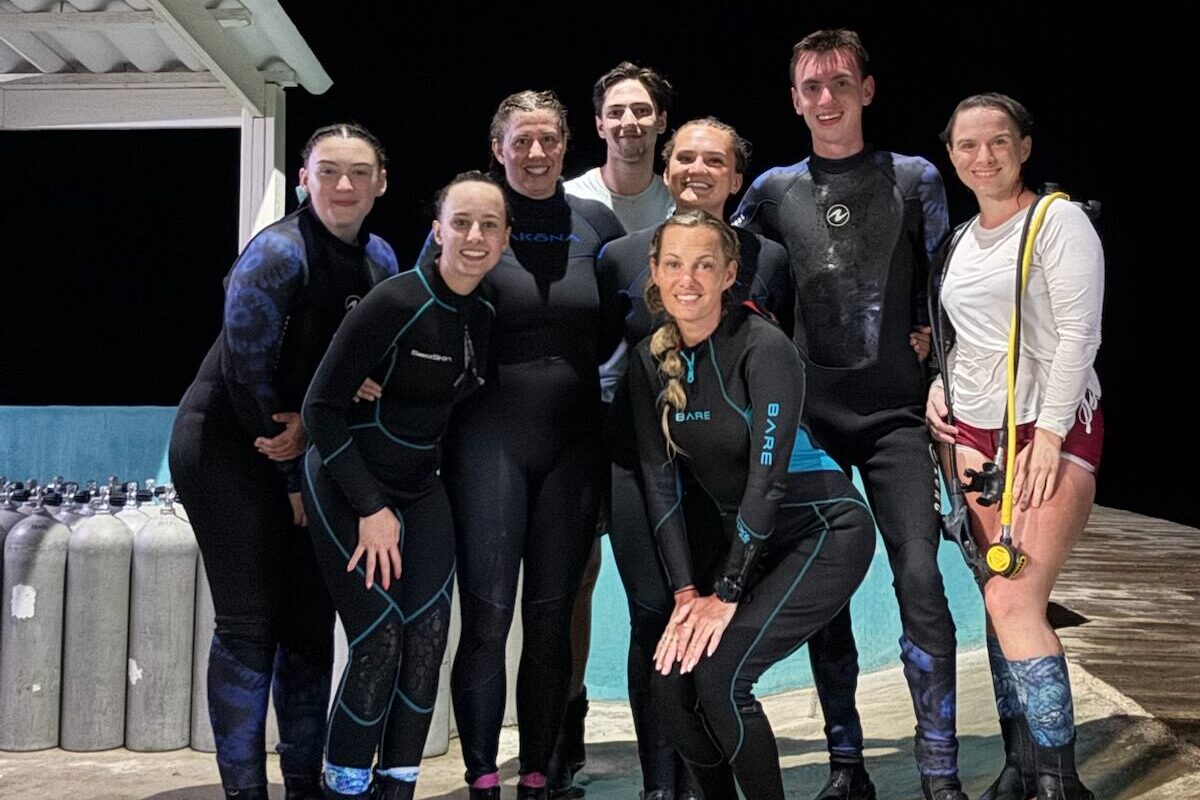
Motivated to help, the students began organizing small cleanups and tracking turtle activity. What started as a simple student initiative quickly grew as more volunteers joined and awareness spread.
Today, Sunrise Seaturtles Conservancy continues to focus on protecting sea turtles through conservation efforts, education, and community involvement—staying true to its roots as a student-led effort driven by a passion for the ocean.
Our Mission
For sea turtles, survival begins at sunrise. Hatchlings emerge from the sand and make their first journey to the ocean, facing overwhelming odds. At Sunrise Sea Turtles Conservancy, we protect that fragile beginning and every step that follows.
Our mission is to educate, inspire, and advocate for sea turtle conservation through accessible volunteer opportunities and easily understood information. We aim to make conservation feel approachable and meaningful to everyone.
Why Sea Turtles?
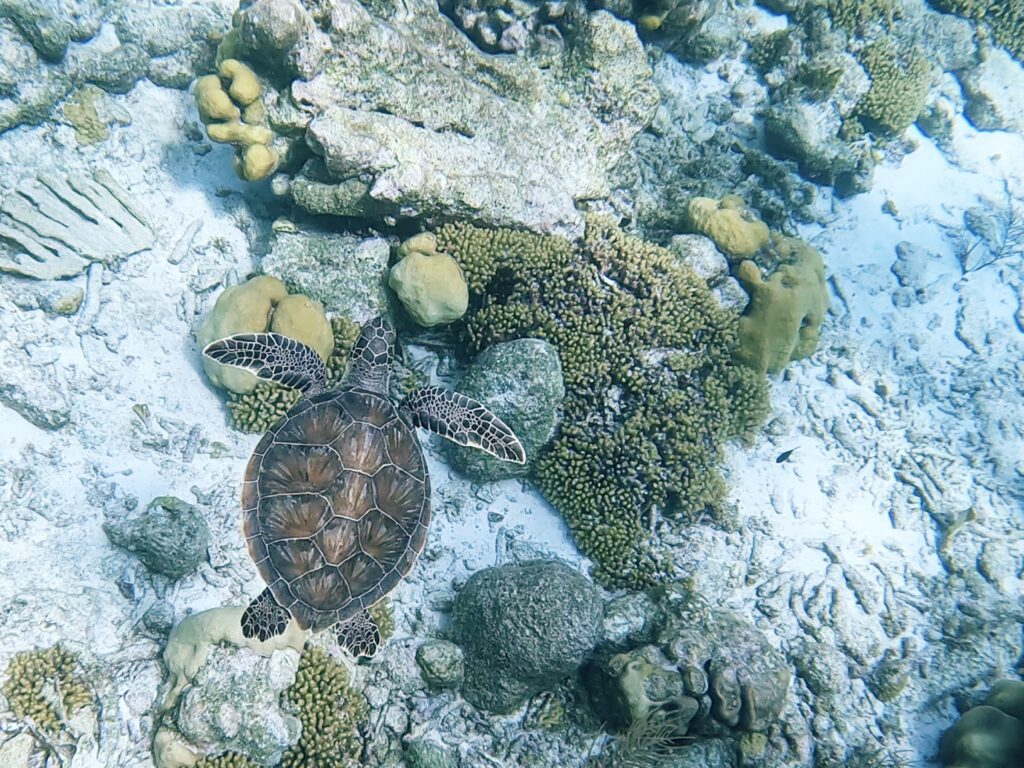
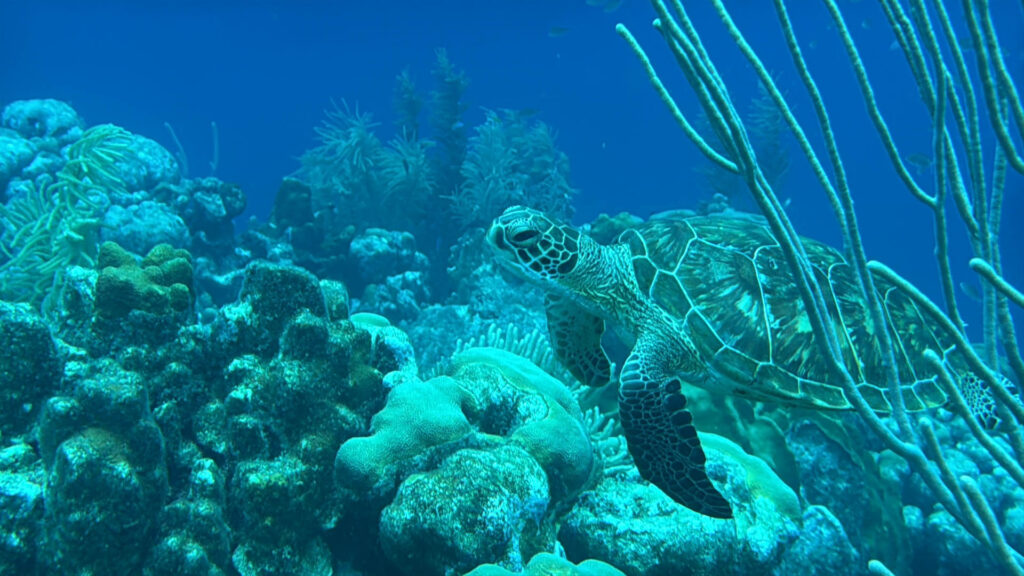
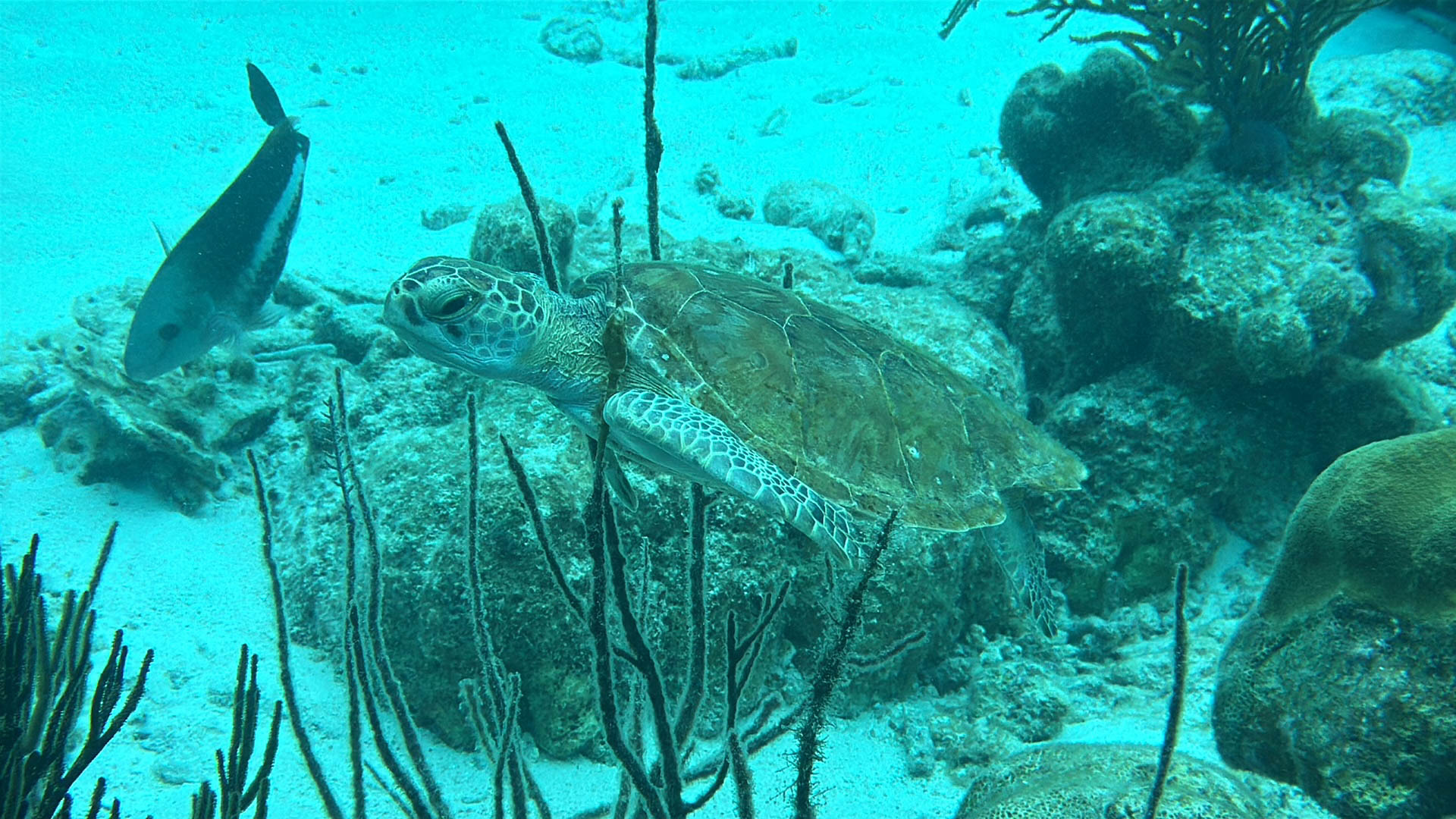
Sea turtles play a vital role in maintaining healthy ocean ecosystems. They help regulate seagrass beds and coral reefs, supporting marine biodiversity as a whole. However, threats like plastic pollution, climate change, and habitat loss continue to put their survival at risk.
By increasing awareness, even small actions—like reducing waste or protecting nesting areas—can make a significant difference.
See Us In Action
-
Midnight Rescue: Sunrise Sea Turtles Saves Dozens After Storm
A powerful overnight storm turned into a race against time for Sunrise Sea Turtles Conservancy this week, as volunteers mobilized…